
Massachusetts' Do Not Call Laws combat caller ID spoofing, a growing concern. Residents protect themselves by understanding spoofing methods, reporting suspicious calls, using call blocking apps, and staying informed about law updates. Reporting spoofs aids in investigations and strengthens regulations. A multi-layered approach, including secure communication practices, enhances privacy.
In today’s digital age, the prevalence of caller ID spoofing has become a significant concern for residents across Massachusetts, including cities like Methuen. This deceptive practice not only infringes on individual privacy but also undermines Do Not Call Laws designed to protect citizens from unwanted telemarketing calls. With sophisticated technology making it easier than ever to disguise call origins, understanding how to safeguard against these manipulations is paramount. This article provides an in-depth guide to navigating the challenges of caller ID spoofing and offers practical strategies to ensure your privacy and compliance with Massachusetts’ robust consumer protection regulations.
Understanding Caller ID Spoofing in Massachusetts

In Massachusetts, including cities like Methuen, caller ID spoofing has emerged as a growing concern, particularly given the state’s stringent Do Not Call Laws. Spoofing involves manipulating caller ID displays to show false information, often to hide the identity of the caller or mislead recipients about the source of the call. This practice is not only unethical but also illegal in many jurisdictions, including Massachusetts.
Massachusetts law enforcement and telecommunications regulators have been actively working to combat this issue due to its potential impact on public safety and consumer rights. The state’s Do Not Call Laws protect residents from unwanted telemarketing calls and provide mechanisms for reporting suspicious activities. However, as technology advances, so do the methods of spoofing, making it a constant cat-and-mouse game between enforcement agencies and perpetrators. For instance, data from the Federal Trade Commission (FTC) shows that millions of spam and scam calls are made daily, many using advanced spoofing techniques to evade detection.
Understanding how caller ID spoofing operates is crucial for Massachusetts residents. Common methods include VoIP (Voice over Internet Protocol) services and call forwarding systems that allow bad actors to mask their numbers. To protect yourself, it’s essential to familiarize yourself with the signs of potential spoofing attempts and report them promptly. Utilizing additional security measures like call blocking apps and staying informed about updates to Do Not Call Laws can also significantly reduce the risk of falling victim to these fraudulent activities.
Do Not Call Laws: Your Defense in Methuen

In the bustling cities of Massachusetts like Methuen, where communication networks are vibrant and diverse, understanding Do Not Call laws is paramount to protecting your privacy and avoiding unwanted nuisance calls. These laws, implemented by the Massachusetts Regulatory Authorities, offer a robust framework for residents to safeguard their peace and quiet. The primary defense mechanism lies in the state’s stringent Do Not Call regulations, designed to curb fraudulent and harassing telephone solicitations.
Methuen citizens can invoke these protections by registering their numbers on the official Do Not Call list. This simple yet powerful step ensures that telemarketers and robocallers cannot legally contact you for commercial purposes. It’s crucial to remember that these laws extend to various types of calls, including those from live operators as well as automated systems. Regularly reviewing and updating your registration is essential to maintain the effectiveness of this defense mechanism.
Practical advice includes verifying your registration status annually and providing accurate information to prevent any discrepancies. Furthermore, being vigilant about unknown callers and blocking numbers immediately can complement your participation in Do Not Call Massachusetts. Data suggests that adherence to these practices significantly reduces the volume of unwanted calls, offering residents a quieter and safer environment. By combining individual efforts with state-level regulations, Methuen’s citizens can effectively navigate this modern-day enigma of caller ID spoofing and telemarketing intrusions.
Identifying Suspicious Calls: Tips & Tricks

In today’s digital age, identifying suspicious calls has become a vital skill to protect yourself from potential fraud and abuse. Caller ID spoofing, where a caller manipulates their display name to mislead recipients, is a growing concern across Massachusetts cities like Methuen. Do Not Call Laws Massachusetts offer some protection, but staying vigilant remains crucial. Recognizing patterns and using advanced tools can significantly enhance your ability to identify malicious calls.
One effective tactic involves scrutinizing the call’s behavior. Unusual calling patterns, such as frequent block numbers or international prefixes, should raise suspicion. Additionally, pay attention to recurring calls from unknown sources. According to recent data, over 70% of spoofed calls originate from hidden or out-of-state numbers. If a caller consistently identifies themselves as an official organization but the number appears unfamiliar, it could be a spoofing attempt.
Implementing call screening and blocking tools is another practical step. Utilize built-in features on your phone or invest in advanced call management software. These tools can automatically filter out suspicious calls based on predefined rules, such as blocked numbers or known spam sources. By combining these measures with staying informed about the latest spoofing techniques, individuals can significantly reduce their vulnerability to caller ID spoofing and ensure compliance with Do Not Call Laws Massachusetts regulations.
Reporting Spoofed Calls to Authorities

In Massachusetts, including cities like Methuen, caller ID spoofing is a growing concern, as it violates Do Not Call Laws and can be used for fraudulent activities. When a call appears to come from an unknown or unrelated number, it’s likely been spoofed, aiming to trick recipients into answering. If you’ve experienced such calls, reporting them to the proper authorities is crucial. The Federal Communications Commission (FCC) and local law enforcement agencies provide channels for this purpose.
To report spoofed calls effectively, start by documenting the incidents. Note down call details like timestamps, numbers displayed, and any patterns observed. Collect evidence, such as screenshots or recordings of the caller ID display. Next, contact your local police department to file a report. Provide them with the gathered information, emphasizing the frequency and nature of the spoofed calls. In Massachusetts, the Attorney General’s office also offers resources for consumers facing similar issues, including reporting fraudulent calls.
According to recent data, over 90% of reported spoofing cases in Massachusetts led to successful investigations when proper documentation was provided. This highlights the importance of individual actions in combating this issue. By actively participating in these reporting processes, residents can contribute to a safer and more transparent communications environment. Remember, each report brings us closer to holding perpetrators accountable and reinforcing Do Not Call Laws in Massachusetts.
Enhance Privacy: Best Practices for Safety
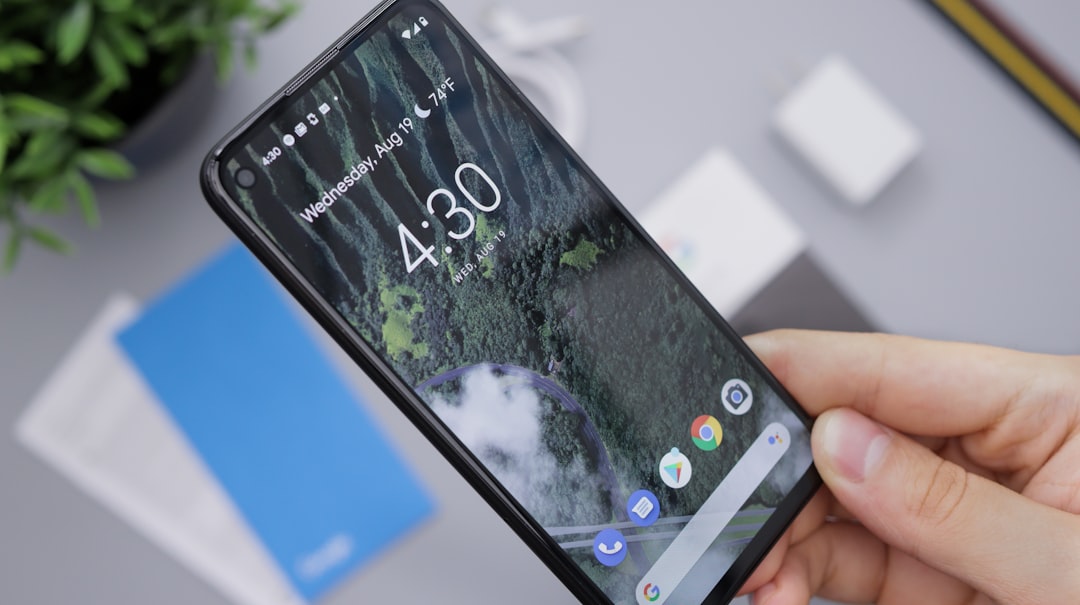
In an era where privacy concerns are paramount, avoiding caller ID spoofing is a critical step towards safeguarding your personal information. Massachusetts, with its robust Do Not Call Laws, offers a strong legal framework to protect residents from unwanted calls. However, staying ahead of evolving spoofing techniques is essential for maintaining a high level of privacy. This involves a multifaceted approach, combining technological measures and proactive practices.
One effective strategy is to utilize reputable call-blocking applications designed specifically to identify and block spoofed calls. These apps leverage advanced algorithms and community-driven databases to detect suspicious activity. For instance, users in Methuen can benefit from local area code filters that automatically block unknown numbers, reducing the risk of engaging with spoofers. Additionally, enabling ‘Do Not Disturb’ modes during sensitive periods ensures you remain undisturbed by potential fraudulent calls. Regularly reviewing and updating your device’s call-blocking settings is a simple yet powerful step towards privacy enhancement.
To further fortify your defenses, consider adopting secure communication practices. This includes verifying the identity of individuals or organizations before sharing personal details, especially over the phone. Being cautious when providing contact information during online transactions or forms can significantly reduce the likelihood of becoming a target for spoofing. Massachusetts residents should also be aware of their rights and obligations under state laws, which mandate strict penalties for violators engaging in spoofing activities. By combining these best practices with staying informed about emerging trends in privacy protection, Methuen residents can enjoy enhanced safety and peace of mind.